Stop counting — just look at the silo every morning
See how many tonnes are in each raw material silo, how many days they will last and when to reorder, on one screen. 3D radar made in Türkiye, serviced by Ada Kurutma, installed within days with wireless communication.
- Ready for the licensed-warehouse specification
- Made in Türkiye
- Backed by Ada Kurutma
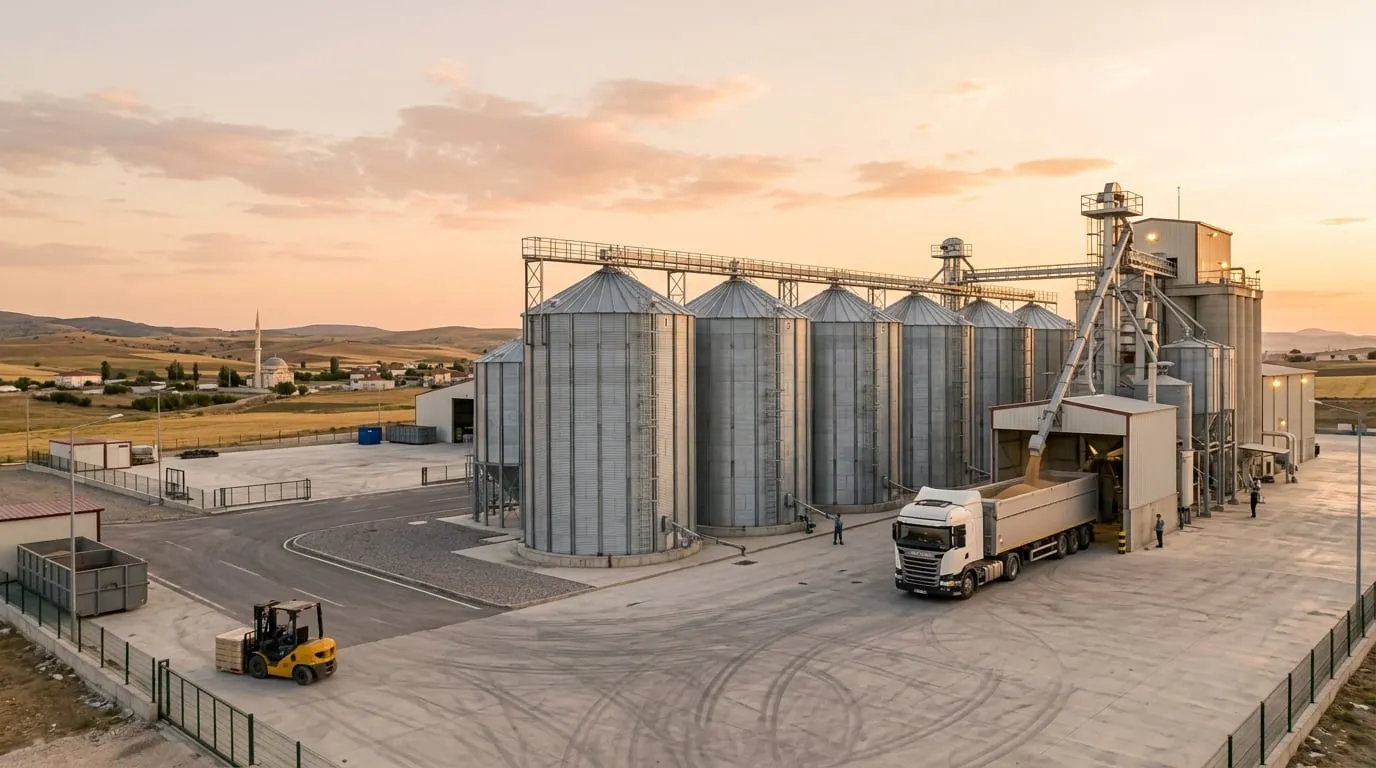
The questions a feed mill asks every day
How many days left?
Consumption rate comes from recent net outflow; with current stock, the days of cover for each silo are in the dashboard.
Reorder threshold
Silos approaching the threshold you set for your lead time stand out, so ordering doesn't wait for count day.
Weighbridge reconciliation
Put the change in the silo next to weighbridge intake and dispatch. You see on which day, in which silo, a gap opened — not at month end.
No more shift counts
Nobody climbs the silo at shift handover; opening and closing stock for the shift are in the dashboard.
Multiple silos and sites
Total stock and daily change across all silos in one table; several sites under one account.
Tonnes per silo
Each silo's volume is measured every pass and converted with its own product's bulk density: maize, wheat, barley or meal.
A feed mill day with SiloLens
- Morning
Daily summary
Scans roughly every 20 minutes overnight leave each silo's tonnes, yesterday's consumption and days of cover ready.
- Morning
Ordering
Silos near their threshold stand out; orders are based on measured consumption, not guesses.
- Truck arrives
Filling vs. weighbridge
When unloading ends, the fill movement appears in the dashboard next to the weighbridge ticket.
- Shift handover
No count
The numbers for the handover are in the dashboard; nobody climbs the roof or opens a hatch.
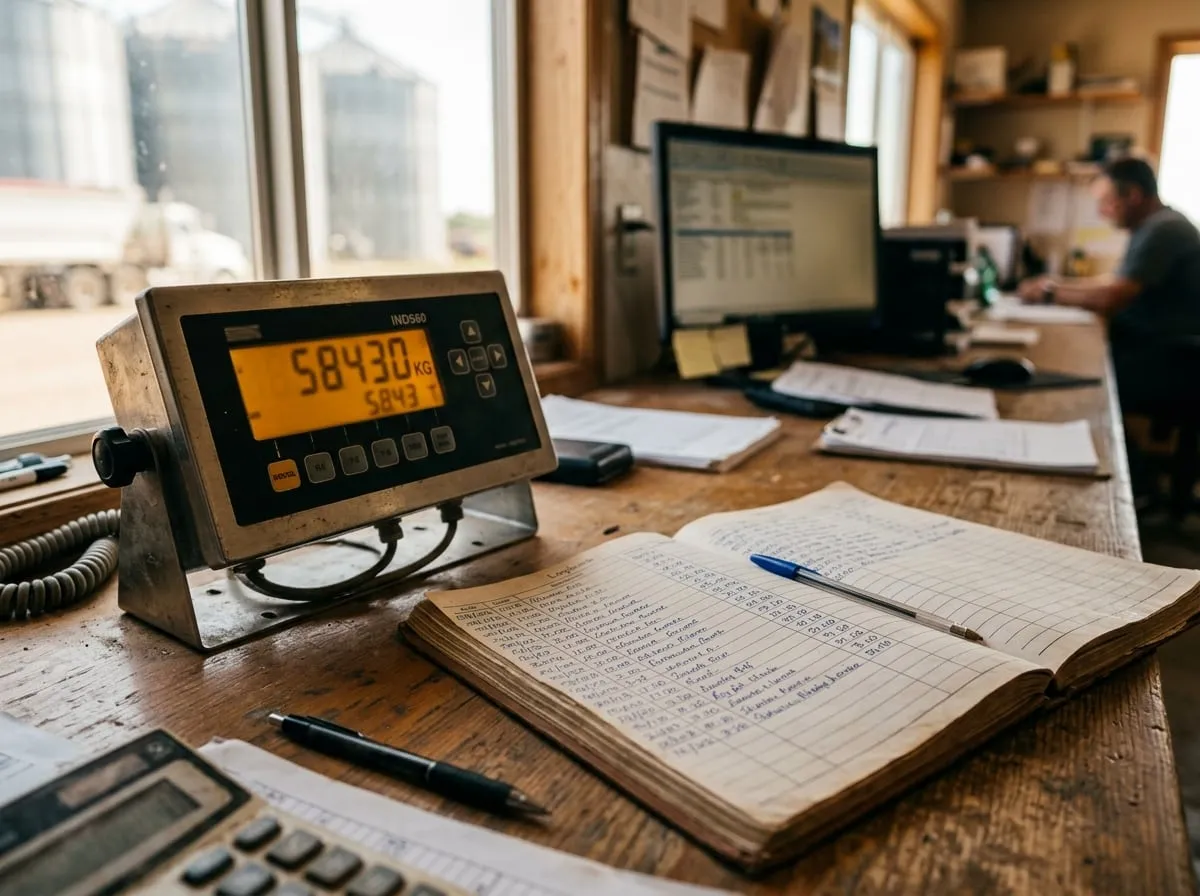
Made in Türkiye, serviced by Ada Kurutma, wireless communication, fast installation
Device, software and dashboard from one source: designed and manufactured in Türkiye, installed and serviced by Ada Kurutma.
Designed and manufactured in Türkiye
Device, software and dashboard are developed and built in Türkiye — not an imported single-point sensor with foreign software, but a system whose makers you can reach.
Backed by Ada Kurutma
Field experience since 1953 as a manufacturer of grain drying and silo systems, with installations across Türkiye. A dependable service and support network, with on-site response when needed.
Most advanced dashboard
3D surface, live fill and discharge movements, daily summary and a mobile app. Single-point level systems usually give you one number and a table.
Fastest installation
Communication is wireless: no communication cable is run between the silos or from the silos to the office; each silo roof needs only a 220 V supply. The device is fitted to the roof from above and production keeps running; the system is live within days.
Price advantage
Local manufacturing and our own service network give a clear price advantage over imported systems. Ask us for a quote.
In agriculture since 1953
Çelik Kardeşler started in 1953 in agricultural products and grain trading, and began manufacturing under the ADAKURUTMA® brand in 2000. Today it builds grain drying and storage systems in Sakarya, Türkiye (production in Kaynarca DOMİOSB, head office in Adapazarı) and sells them nationally and internationally.
SiloLens and SiloRadar 3D are built on that experience: designed and manufactured in Türkiye, installed and serviced by Ada Kurutma.
- 1953
- founded
- 2000
- manufacturing as ADAKURUTMA®
- 70+ years
- in agriculture
- Sakarya
- production and head office
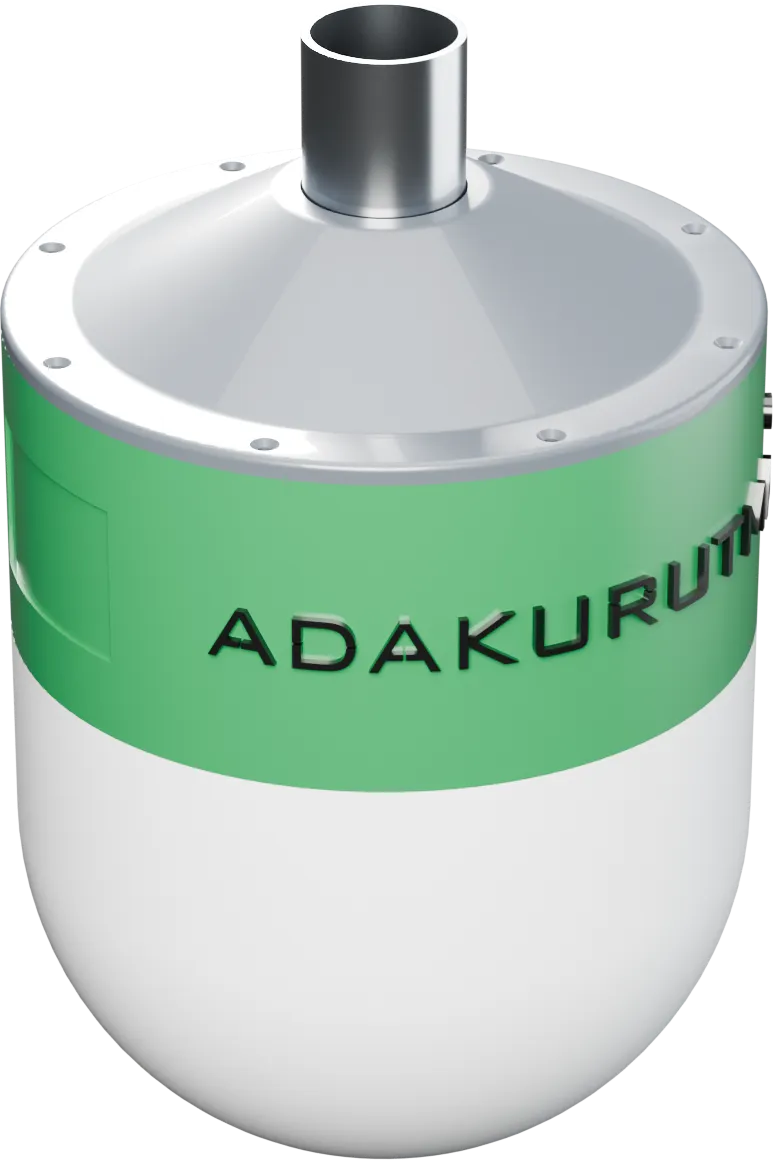
Product family
- Horizontal and tower grain dryers
- Fluid-bed and belt dryers
- Hazelnut, walnut, tobacco, fruit and vegetable dryers
- Sampling probe
- Storage systems
- SiloSense silo temperature monitoring
- SiloLens / SiloRadar 3D
A silo surface is never flat. A crater forms above the outlet, a cone below the fill point. A single-point sensor doesn't know that shape; a 3D scan sees it.
Let's look at your silos together
Let's discuss installation for your own silos.